When to Consider Insulated Glass Unit Replacement for Your Home
@xgvg1davng
Understanding When Your Windows Need Attention
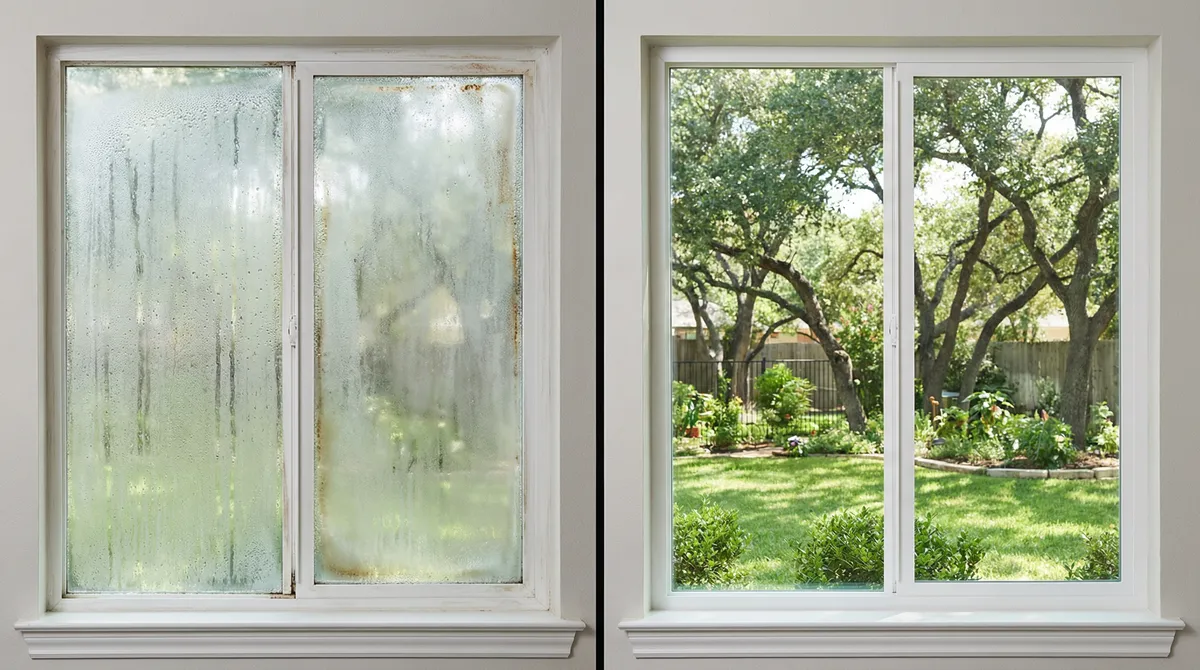
If you live in the Dallas-Fort Worth area, you know how hard the summer sun can hit. Over time, even the best windows start to show their age. One of the most common signs is foggy glass. That cloudy haze between the panes isn't just an eyesore. It usually means the seal on your double-pane window has failed, and moisture has gotten inside. Once that happens, the window can't insulate the way it should. You might feel a draft in winter or notice that your AC runs longer in summer. That's when people start thinking about insulated glass unit replacement.
I've seen a lot of homeowners put off this repair because they think the whole window needs to come out. But in many cases, the frame is fine. You only need to swap the glass unit itself. The process is more straightforward than most people expect, and it can restore the thermal efficiency of your home without a full reframe. Before you decide, it helps to understand what's actually happening inside that sealed window.
The Anatomy of a Double-Pane Window
A modern double-pane window is built like a sandwich. Two sheets of glass are separated by a spacer and sealed around the edges. The space between them is filled with an insulating gas fill, usually argon gas, which slows heat transfer. A layer of low-e coating on one of the panes reflects infrared light, keeping summer heat out and winter warmth in. The whole assembly is held together by a window sealant, often a silicone sealant, that keeps the gas fill contained and blocks moisture.
When a window is new, the seal is tight. But over years of expansion and contraction in the Texas heat, that seal can develop tiny cracks. Once the seal fails, the argon gas leaks out. Moisture seeps in. The desiccant inside the spacer, which is meant to absorb small amounts of humidity, gets overwhelmed. Condensation forms between the panes. That foggy glass you see is the result.
At that point, the window's insulating value drops significantly. A single-pane window has an R-value around 1. A double-pane window with argon gas can have an R-value of 3 or more. When the seal fails, the effective R-value can fall back toward that of single glazing. You're paying to heat or cool air that's escaping right through the glass.

When Replacement Makes More Sense Than Repair
Some people try to fix a foggy window by drilling small holes to let the moisture out. That's a temporary solution at best. It doesn't restore the gas fill, and the desiccant is already saturated. The fog usually comes back within a few months. A proper insulated glass unit replacement is the only way to get back to original performance.
There are a few clear signs that it's time for a swap:
- The glass is permanently fogged or has water droplets between the panes.
- You see condensation on the interior side of the glass that doesn't clear up.
- The window feels noticeably colder or hotter than the surrounding wall.
- You notice a crack in the glass or the seal is visibly lifting.
- Your energy bills have crept up and you suspect drafty windows.
If any of these sound familiar, it's worth getting a free estimate from a local glass replacement company. They can tell you whether the glass unit removal is simple or if the frame has damage that needs attention. In most cases, the frame seal holds up fine even when the glass seal fails. The frame itself is often made of vinyl, aluminum, or wood that can last decades.
What Happens During a Glass Unit Replacement
The process starts with a careful inspection of the existing window. A technician checks the frame for rot, rust, or warping. If the frame is solid, they move forward with removing the old glass. This involves prying off the stops or glazing beads that hold the glass in place. The old glass unit is lifted out. The frame is cleaned of old silicone sealant and debris. A new insulated glass unit, custom-cut to the exact dimensions, is set into the frame. Fresh silicone sealant is applied around the edges to create a tight, long-lasting frame seal. Finally, the stops are reinstalled, and the sealant is left to cure.
For a vertical window, this usually takes less than an hour per unit. For a sliding glass door, the process is similar but the panels are heavier and often require two people. Sliding glass door glass is typically tempered glass for safety, and the replacement unit must match the original thickness and edge treatment. Tempered glass is stronger than standard glass, but once it's broken, it can't be repaired. It has to be replaced entirely.
One thing I always recommend is checking the window warranty before you call anyone. Some manufacturers offer a warranty that covers seal failure for a certain number of years. If your windows are still under warranty, you might get the replacement covered at little or no cost. If not, a professional glass replacement service can still handle it affordably.
Thermal Performance and Your Comfort
After an insulated glass unit replacement, the difference is often immediate. The new unit will have fresh argon gas fill and an intact desiccant. The low-e coating will be clean and fully functional. Your home will hold its temperature more steadily. The HVAC system won't have to work as hard, which can lower your monthly bills. In my own experience, replacing a set of large south-facing windows cut the afternoon heat gain by a noticeable margin. The rooms that used to feel stuffy by 3 p.m. stayed comfortable without the blinds drawn.
Thermal efficiency isn't just about comfort. It's also about long-term savings. When you improve the insulation of your windows, you reduce the load on your heating and cooling equipment. That means less wear and tear, fewer repairs, and a longer lifespan for your furnace and AC. It's one of those home improvements that pays for itself over time.
Common Mistakes to Avoid
I've seen homeowners try to cut corners by buying a generic glass unit and having a handyman install it. That usually ends badly. A generic unit might not have the right low-e coating for your climate. The thickness might be off, or the spacer material might not match. A proper insulated glass unit replacement requires a unit that's built for your specific frame dimensions and performance needs. You want a unit that uses quality silicone sealant and a durable spacer that won't break down quickly.
Another mistake is ignoring the frame condition. If the frame is rotted or corroded, installing a new glass unit into a bad frame is a waste of money. The new seal won't hold if the frame can't support it. A good technician will point that out before they start. They might recommend a full window replacement instead of just glass work. It's better to know upfront than to have the new unit fail in a year.
Some people also think that double glazing means double the thickness. Actually, double-pane windows are typically about the same overall thickness as a single pane, sometimes a little more. The spacer creates an air gap of about half an inch. The glass itself is usually 3/16 or 1/4 inch thick per pane. So the whole assembly might be just over an inch thick. That's important to know if you're measuring for a replacement. Always let a pro confirm the dimensions.
Final Thoughts on the Process
If you have foggy glass in your home, don't ignore it. The problem only gets worse as more moisture gets in. The desiccant can only absorb so much. Eventually, the condensation will become heavy enough that the glass unit removal becomes messy, with water draining onto the sill. That can lead to mold or wood rot if it goes on long enough. Addressing it early saves you from bigger repairs down the road.

An insulated glass unit replacement is a targeted fix. It restores the original performance of your window without the expense of a full frame replacement. It's a solid investment in your home's comfort and energy efficiency. And with a free estimate, there's no risk in finding out what it would take. Whether you're dealing with a single vertical window or a large sliding glass door, the process is straightforward when handled by someone who knows what they're doing.
Your windows are a big part of how your home feels. Keeping them in good shape is one of the smartest things you can do for your daily comfort and your resale value. If you've been putting it off, now is a good time to look into it.